 xuyeeggtray









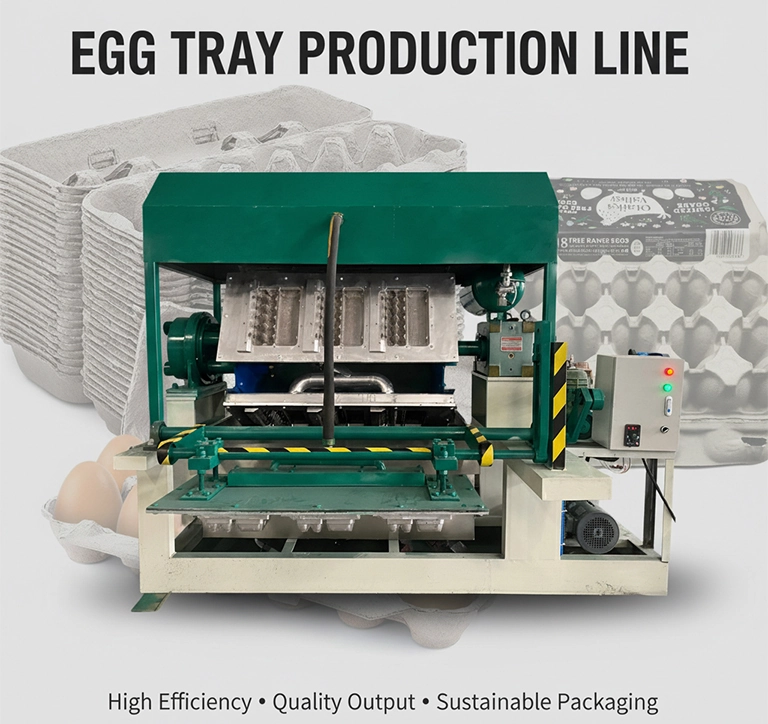
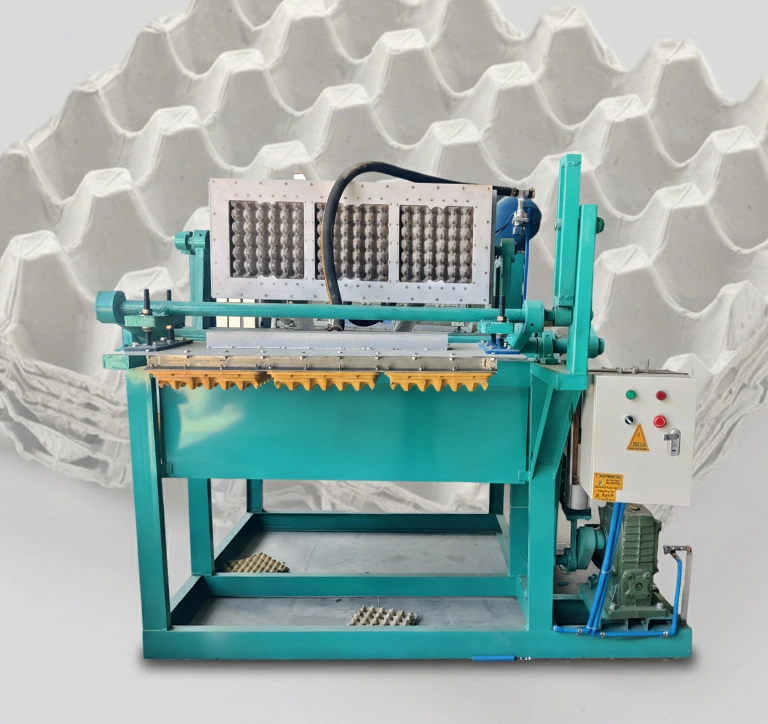
Egg Tray Production line
- Raw MaterialsWaste paper, cardboard, newspaper
- Production Capacity1000-8000 trays/hour
- Molding MaterialAluminum, Plastic
- Forming MethodVacuum suction forming
- Drying SystemNatural / Brick kiln / Metal dryer
The Egg Tray Production Line is an advanced manufacturing system designed to produce high-quality paper egg trays With the increasing demand for eco-friendly packaging, this egg tray making machine Ideal for small, medium, and large-scale enterprises, the production line ensures high output, energy efficiency, and consistent tray quality. Ideal for small, medium, and large-scale enterprises, the production line ensures high output, energy efficiency, and consistent tray quality.
Why Choose an Egg Tray Production Line?
Investing in an egg tray production line brings multiple advantages.
- Sustainable Production - Uses recycled paper as raw material, reducing waste and environmental impact.
- High Efficiency - Produces hundreds to thousands of trays per hour with minimal labor.
- Versatility - Supports multiple tray sizes, including 6, 12, 18, 24, and 30-egg trays.
- Cost-Effective - Optimized design reduces electricity and labor costs.
- Easy Operation - Automatic feeding, molding, drying, and stacking for smooth workflow.
- Durable Equipment - High-quality steel construction and wear-resistant components ensure long service life.
Main Components of the Egg Tray Production Line
A typical Egg Tray Production Line includes several essential machines.
1. Pulping System
The pulping system transforms waste paper into high-quality pulp. It includes.
- Pulper Machine - Mixes water and waste paper to create a smooth pulp.
- Pulp Cleaning System - Removes impurities to ensure tray quality.
- Pulp Storage Tank - Stores pulp for continuous production.
2. Molding Machine
The pulp molding machine shapes pulp into egg trays using vacuum suction technology. features.
- Adjustable molds for different tray sizes.
- Automatic tray release to improve production speed.
- High precision vacuum system to ensure uniform thickness.
3. Drying System
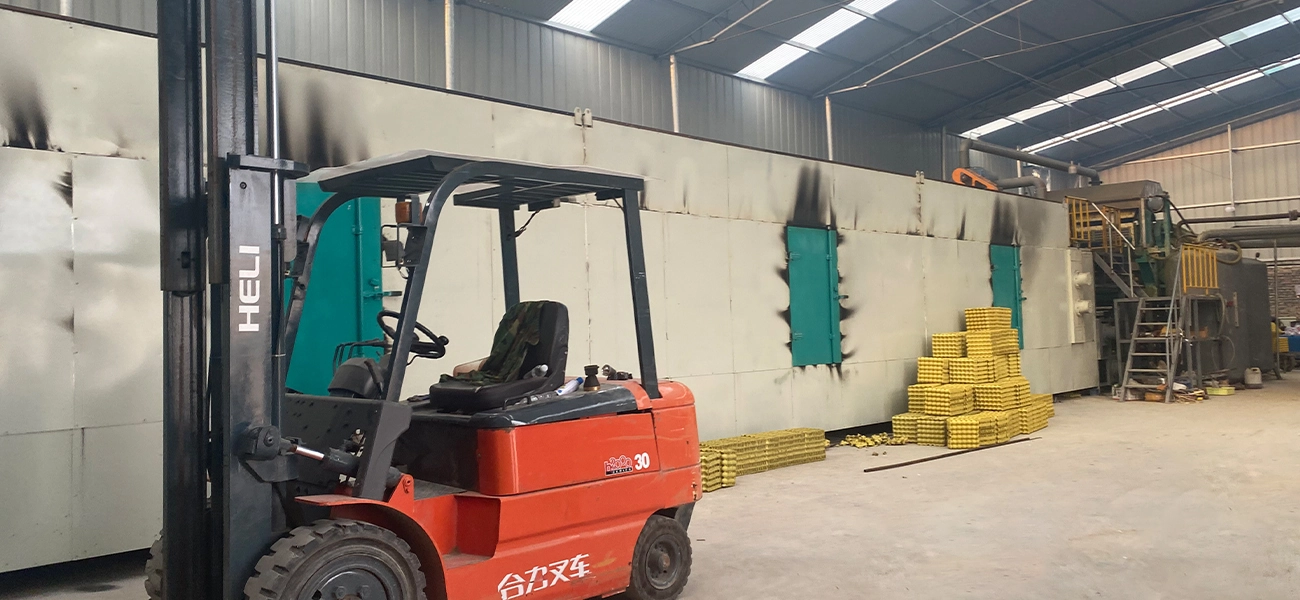
The drying system is crucial for tray durability. Options include.
- Hot Air Drying - Fast drying using industrial fans and heaters.
- Steam Drying - Suitable for large-scale production with even drying.
- Solar Drying - Energy-saving and eco-friendly for small factories.
4. Stacking and Packing Machine
After drying, trays are stacked and packed automatically for easy storage and transport. Benefits include.
- Reduced labor costs.
- Neat stacking to prevent tray damage.
- Easy integration with packaging lines.
5. Control Panel
Modern egg tray production lines are equipped with PLC control panels.
- Centralized control for pulping, molding, drying, and stacking.
- Real-time monitoring of production parameters.
- User-friendly interface for easy operation.
Advantages of Our Egg Tray Making Machine
- High Production Efficiency - Automatic operation reduces labor and speeds up production.
- Energy Saving - Optimized motors and drying system cut electricity consumption.
- Durable and Reliable - Heavy-duty materials and precise design ensure long-term operation.
- Multiple Tray Sizes - Flexibility to produce different egg tray types to meet market needs.
- Easy Maintenance - Modular design allows quick cleaning and part replacement.
- Safe Operation - PLC control ensures stable production and reduces operational risks.
Applications of Egg Tray Production Line
The egg tray production line is widely used in various industries.
- Poultry Farms - For packaging and transporting eggs safely.
- Supermarkets and Retail - Supply ready-made paper trays for consumer use.
- Food Packaging - Custom trays for fruits, vegetables, and other products.
- Recycling Plants - Turn waste paper into profitable packaging solutions.
Steps of Egg Tray Production
- Pulp Preparation - Waste paper is mixed with water in the pulper to form smooth pulp.
- Molding - Pulp is shaped into trays by the molding machine using vacuum suction.
- Drying - Trays are dried uniformly in hot air, steam, or solar dryers.
- Stacking - Dried trays are automatically stacked and prepared for transportation.
- Quality Check - Trays are inspected for uniformity, durability, and size accuracy.
How to Choose the Right Egg Tray Production Line
When selecting an egg tray making machine, consider.
- Production Capacity - Match machine output with your business scale.
- Tray Size Requirements - Ensure molds support your desired tray types.
- Energy Efficiency - Evaluate electricity consumption and operational cost.
- Automation Level - Fully automatic lines reduce labor costs and increase efficiency.
- After-Sales Support - Reliable suppliers provide training, installation, and spare parts.
Egg Tray Production Line Technical Parameters
| Model | XY0301 | XY0401 | XY0403 | XY0404 | XY0408 | XY0508 | XY0608 | |
| Capacity (pieces/h) | 800-1000 | 1200-1500 | 2000 | 2200-2500 | 3500-4500 | 5000-5500 | 6000-6500 | |
| Forming Mould Quantity | 3 | 4 | 12 | 16 | 32 | 40 | 48 | |
| Total Power (kw) | 33 | 42 | 53.7 | 82 | 127 | 161 | 223 | |
| Electricity Consumption (kw/h) | 23.1 | 29.4 | 37.59 | 57.4 | 89 | 113 | 156 | |
| Labor Force | 3-5 | 4-6 | 4-6 | 4-6 | 4-6 | 5-7 | 6-8 | |
| Material Consumption (kg/h) | Paper | 85 | 102 | 170 | 212 | 298 | 425 | 520 |
| Water | 255 | 306 | 510 | 636 | 1147 | 1275 | 1560 | |
| Fuel Consumption | Coal (kg) | 50 | 60 | 83 | 104 | 125 | 208 | 208 |
| Natural Gas (m3) | 22-32 | 26-36 | 37-47 | 46-56 | 56-66 | 92-103 | 92-103 | |
| Diesel (kg) | 18-28 | 22-32 | 30-40 | 38-48 | 46-56 | 77-87 | 77-87 | |