 xuyeeggtray
- Switch Language
Search the whole station
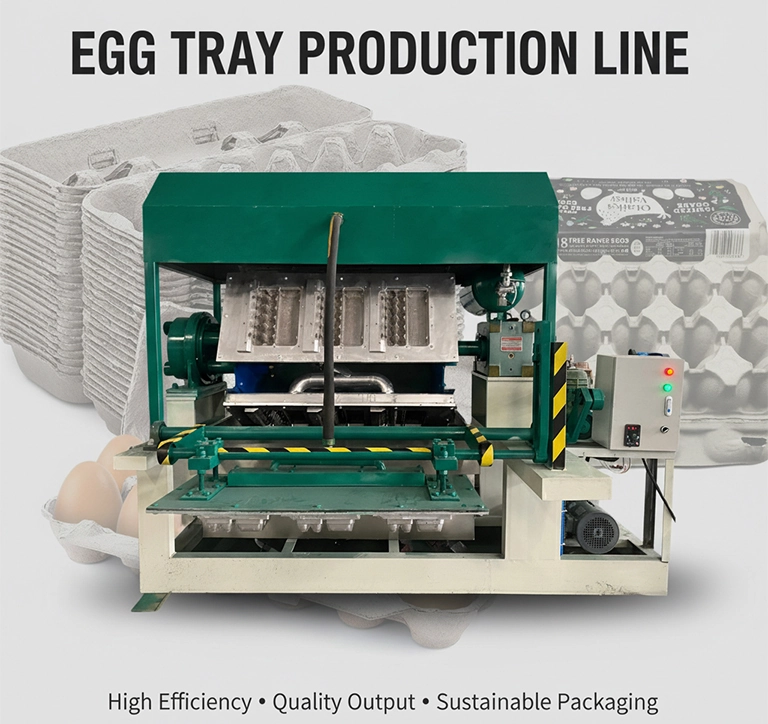
A Seed Tray Making Machine is specialized equipment designed to produce pulp molded trays used for planting seeds in nurseries, greenhouses, and agricultural farms. These trays provide a structured environment for seedlings to grow before being transplanted to soil or fields.
With the increasing demand for sustainable agriculture and eco-friendly packaging, seed trays made from recycled paper pulp have become a popular alternative to plastic trays. A modern seed tray machine can transform waste paper, cartons, or cardboard into biodegradable nursery trays, helping agricultural businesses reduce costs while protecting the environment.
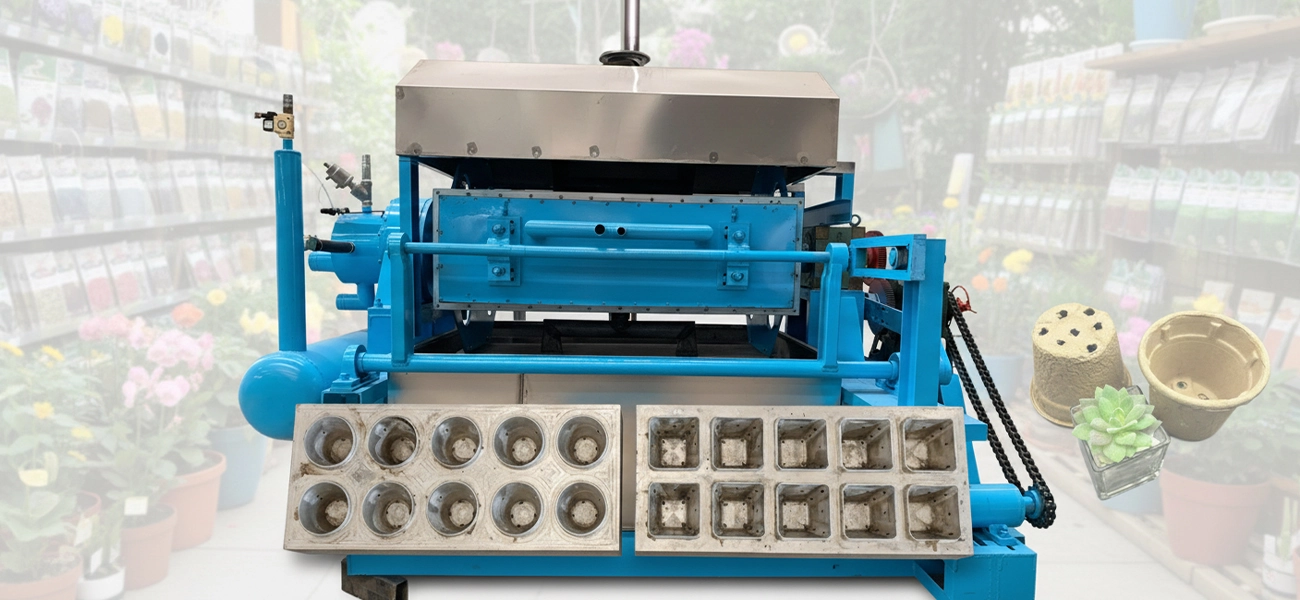
One of the key advantages of a seed tray making machine is its ability to use widely available recycled materials. Common raw materials include:
These materials are mixed with water in a pulping system to create a uniform pulp slurry, which is then molded into seed trays through a forming system.
The seed tray production process typically includes several steps:
Waste paper is mixed with water in a hydraulic pulper to produce paper pulp. Additives can be introduced to improve strength and water resistance.
The pulp is pumped to the forming machine where vacuum suction molds shape the pulp into seed trays. This stage determines the tray’s size, cell quantity, and structural strength.
Freshly molded trays contain high moisture and need to be dried. Drying can be completed through:
After drying, the trays are stacked and packaged for transportation or sale to nurseries and agricultural suppliers.
Seed trays produced by pulp molding are biodegradable and recyclable, reducing plastic waste in agriculture.
The machine uses low-cost recycled paper materials, significantly reducing manufacturing expenses.
Modern seed tray machines can operate continuously and produce thousands of trays per hour.
Different molds can be installed to produce trays with various cell numbers and sizes, suitable for different crops.
Despite being made from recycled materials, pulp seed trays offer sufficient strength for seedling cultivation and transportation.
Seed trays produced by these machines are widely used in:
They are especially popular in organic farming because they are biodegradable and can sometimes be planted directly into soil.
Suitable for small farms and startups with limited budgets.
Provides higher production capacity while maintaining moderate investment costs.
Ideal for large-scale commercial production with automatic pulping, forming, drying, and stacking systems.
When purchasing a seed tray making machine, several factors should be evaluated:
Selecting the right machine ensures long-term efficiency and profitability.
The global demand for sustainable agricultural supplies is growing rapidly. Investing in a seed tray production machine allows manufacturers and agricultural suppliers to:
| Model | XY0301 | XY0401 | XY0403 | XY0404 | XY0408 | XY0508 | XY0608 | |
| Capacity (pieces/h) | 800-1000 | 1200-1500 | 2000 | 2200-2500 | 3500-4500 | 5000-5500 | 6000-6500 | |
| Forming Mould Quantity | 3 | 4 | 12 | 16 | 32 | 40 | 48 | |
| Total Power (kw) | 33 | 42 | 53.7 | 82 | 127 | 161 | 223 | |
| Electricity Consumption (kw/h) | 23.1 | 29.4 | 37.59 | 57.4 | 89 | 113 | 156 | |
| Labor Force | 3-5 | 4-6 | 4-6 | 4-6 | 4-6 | 5-7 | 6-8 | |
| Material Consumption (kg/h) | Paper | 85 | 102 | 170 | 212 | 298 | 425 | 520 |
| Water | 255 | 306 | 510 | 636 | 1147 | 1275 | 1560 | |
| Fuel Consumption | Coal (kg) | 50 | 60 | 83 | 104 | 125 | 208 | 208 |
| Natural Gas (m3) | 22-32 | 26-36 | 37-47 | 46-56 | 56-66 | 92-103 | 92-103 | |
| Diesel (kg) | 18-28 | 22-32 | 30-40 | 38-48 | 46-56 | 77-87 | 77-87 | |